Lebanon doesn't make it easy. The banking system collapsed. The currency lost most of its value. Power runs a few hours a day. The best talent keeps leaving.
And yet Lebanese entrepreneurs keep building, and a surprising number of them are building things that work globally. This isn't a story about resilience as an abstract virtue. It's a practical look at who's building, what's working, and why Lebanon produces a particular kind of entrepreneur that's hard to replicate elsewhere.
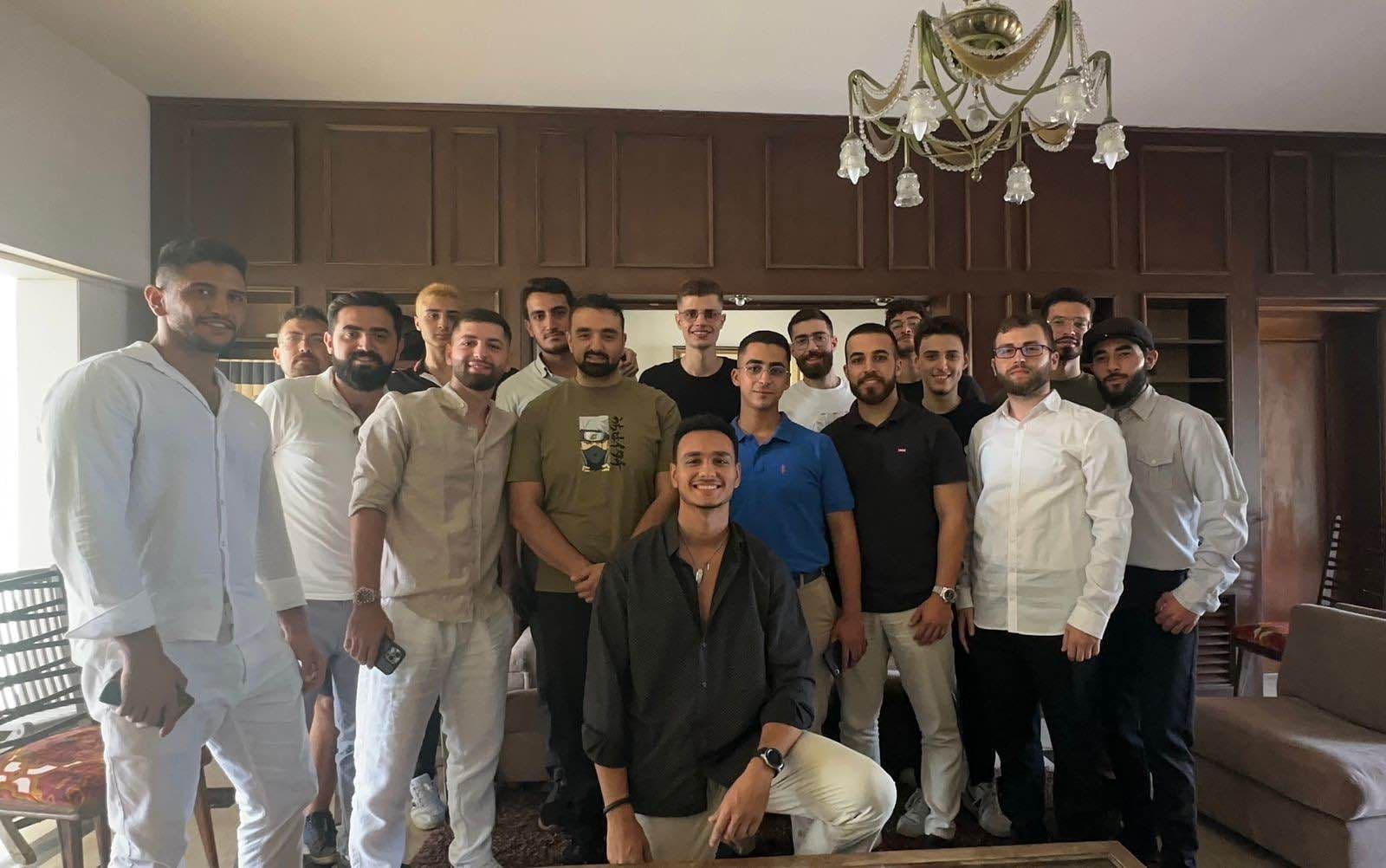
Who's Actually Building
Digital entrepreneurship in Lebanon clusters into a few distinct categories, each shaped by the constraints of the environment.
Content and education is where some of the most durable businesses have been built. Lebanon's multilingual population (genuinely fluent across Arabic, English, and French) has a natural advantage in content markets that are underserved in at least one of those languages. The Arabic-language education market in particular has attracted serious builders: online courses, tutorial channels, and learning platforms targeting the MENA region from Beirut. The location doesn't matter to the student. The content does.
Tech and software has a deep tradition in Lebanon that predates the current crisis. Lebanese engineers were building software companies and exporting technical talent to the Gulf and beyond long before 2019. The crisis accelerated a shift: builders who might have targeted the domestic market now build for export by default, because the domestic market can't sustain a real software business. That constraint has produced companies with genuinely global ambitions from day one.
Freelance and consulting represents the largest category by number of people, even if it's the least visible. Lebanese professionals (developers, designers, marketers, translators, video producers) have built individual practices serving clients in Europe, the Gulf, and North America. The rate arbitrage that made this attractive a decade ago has compressed, but the talent pool remains strong and the practice of building an international client base from Lebanon is now well-established.
E-commerce and trade has adapted significantly. Lebanese merchants were early adopters of Instagram commerce and social selling, partly out of necessity : building the infrastructure to sell before the formal platforms existed. Cross-border trade, dropshipping serving Arab diaspora communities, and niche product businesses serving the Gulf are all active.
What Makes Lebanese Entrepreneurs Different
A few structural features of Lebanon produce a distinct kind of builder.
Constraint is the curriculum. An entrepreneur who has learned to operate without reliable power, without stable banking, and through multiple economic crises has a set of problem-solving instincts that's genuinely hard to acquire in more stable environments. Lebanese founders tend to be operationally resourceful in ways that show up when things go wrong (which they always do, eventually, everywhere).
The diaspora is the network. There are an estimated 14 million Lebanese living outside Lebanon, against roughly 5 million inside. For a Lebanese entrepreneur, that diaspora is the distribution channel, the investor pool, the early customer base, and the bridge to markets that would otherwise be inaccessible. Lebanese businesses that tap into this network effectively are operating with an asset that most competitors simply don't have.
Multilingual by default. In most countries, launching in three languages is a project. In Lebanon, it's just how educated people communicate. That means Lebanese entrepreneurs can address Arabic-speaking markets, English-speaking markets, and Francophone markets without the translation overhead that competitors face. For content businesses, education platforms, and consulting practices, this is a durable competitive advantage.
Global orientation from day one. Lebanese entrepreneurs rarely plan for a domestic exit. The market is too small, too volatile, and too unreliable as a revenue base. That forces a global orientation from the start: building for international customers, pricing in USD, structuring for export. That many entrepreneurs in larger domestic markets only develop later, if at all.
The Real Challenges
Anyone thinking about building from Lebanon needs to understand the actual obstacles: not to be discouraged, but because knowing them in advance is the difference between planning around them and being blindsided.
Banking is the central problem. The 2019 financial crisis left most Lebanese unable to access their USD savings freely. For an entrepreneur, this creates two distinct problems: receiving payments from international clients or customers, and keeping those earnings accessible. Successful Lebanese entrepreneurs have largely solved this by operating outside the Lebanese banking system entirely, through international accounts, payment processors registered in other jurisdictions, and tools like Wise for transfers. This is entirely workable, but it requires setting up the infrastructure before you need it.
Brain drain affects everyone who hires. The best technical and creative talent in Lebanon has been leaving at an accelerating rate since 2019. For a solo operator or small team, this matters less. For anyone trying to scale a team locally, it's a real constraint. The entrepreneurs who've navigated this most successfully either work with small, very senior local teams, build remote-first from the start, or tap the diaspora for talent.
Infrastructure adds friction. Power cuts of eight or more hours a day are normal in most parts of Lebanon. Serious builders invest in backup power (generators, UPS systems, battery setups) and plan their most power-intensive work around it. Internet quality varies significantly by area. These aren't reasons not to build; they're costs that need to be planned for.
The domestic market has a ceiling. Lebanon's 5 million population, combined with severely compressed consumer purchasing power, means the domestic market alone can't sustain most digital businesses at scale. This is actually clarifying: it forces global thinking early. But it means that any business model dependent on Lebanese consumer revenue needs to be examined carefully.
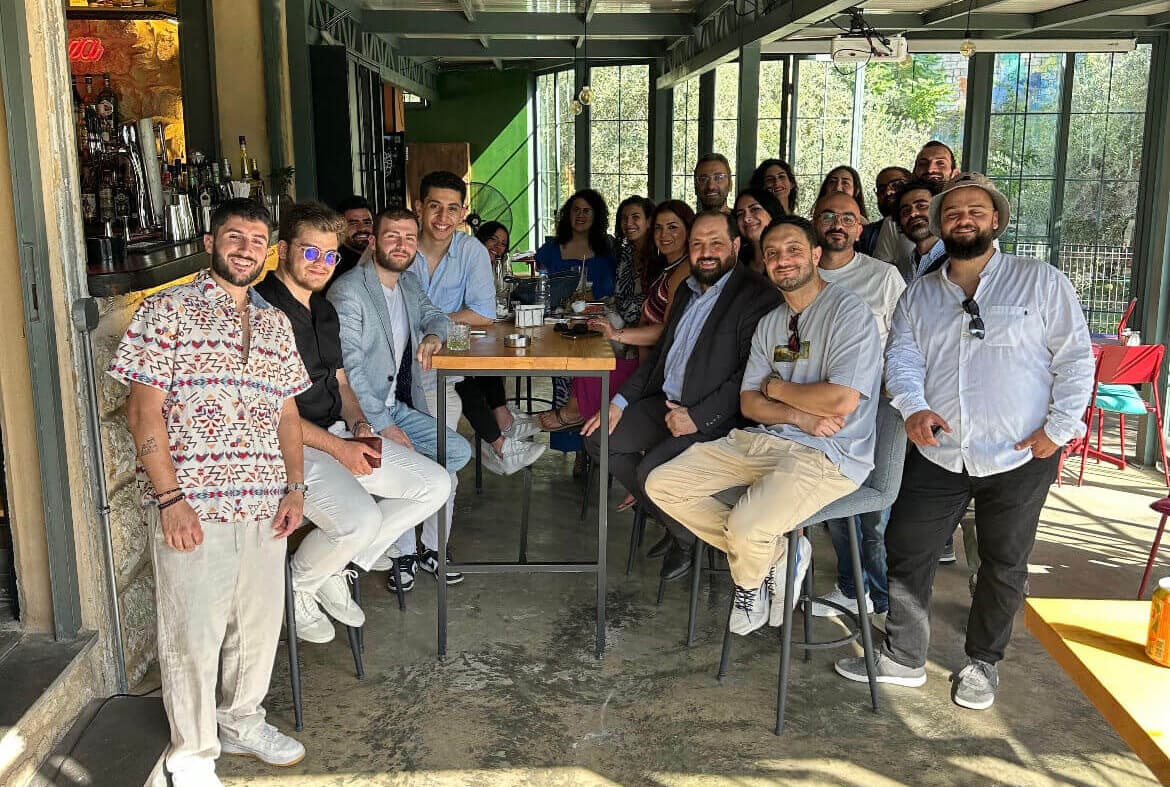
What Actually Works
Looking across the Lebanese entrepreneurs who've built real, durable businesses, a few patterns hold consistently.
Build for export, not for Lebanon. The entrepreneurs who've succeeded are almost universally serving customers outside Lebanon. The country is the base of operations, not the market. This means pricing in hard currency, building for international UX standards, and not optimizing for local conditions that don't generalize.
Solve the money infrastructure first. Set up international payment reception (whether that's a Wise account, a company registered in another jurisdiction, Stripe through a non-Lebanese entity, or some combination) before you have revenue to receive. The worst time to figure out how you'll get paid is when a customer is trying to pay you.
Use the diaspora deliberately. The Lebanese diaspora isn't just a vague network: it's a specific set of communities in specific places with specific needs. Lebanese entrepreneurs who've thought carefully about which diaspora communities they're serving, and built products and content that speak to those communities directly, have found audiences that are loyal and underserved.
Arabic is an opportunity, not a constraint. The Arabic-language internet is large, growing, and served by far fewer professional creators, educators, and builders than the English-language equivalent. Lebanese entrepreneurs who build in Arabic (content, courses, software, communities) are operating in a market with significantly less competition than the English-language equivalent in most niches.
Consistency through disruption. The entrepreneurs who've built durable businesses in Lebanon are those who found ways to keep operating through repeated crises. That means building systems that don't depend on stable conditions: batching work during stable periods, maintaining international backups for critical infrastructure, and not building operational dependencies on Lebanese institutions that may become unreliable.

A First-Person Note
I've been building digital businesses from Lebanon since 2014. The gaming channel I started at 14 taught me to edit, to hold an audience, and to generate revenue online. I used those skills to pay my entire Computer Science tuition (over $30,000) without a loan or family support.
In 2022, I identified a gap in the Arabic-language developer education market and built Devrabic to fill it: an Arabic-language tech education platform that grew to 130,000+ followers and 500+ paying students. The Algorand Foundation came in as our first external partner. I've spoken at DevFest Beirut and produced client content in Qatar.
None of it happened because Lebanon was easy. It happened because the gap was real, the infrastructure problems were all solvable, and the discipline was there. Every constraint the environment imposed had a workaround, and learning those workarounds made the business more resilient than it would have been anywhere else.